
Looking at South Australia Through a Different Lens
I’ve been thinking a lot lately about what makes a good tourism photograph.
For years, tourism photography has often been about the big view.
The dramatic landscape.
The perfect sunset.
The beautiful hotel room.
The smiling people having the perfect holiday.
And don't get me wrong, I love a beautiful landscape as much as anyone.
But when I’m photographing South Australia, I’m always more interested in what sits underneath that picture.
The people.
The culture.
The way we look after our places.
The little details that make somewhere feel like here rather than anywhere else.
And I think that’s where some of the most interesting tourism photography is heading.
It's more than just a pretty picture
South Australia is putting a much bigger focus on tourism that is sustainable, inclusive and connected to culture.
The South Australian Tourism Commission's new True South approach frames tourism as a force for good, with a focus on Aboriginal care for Country and community, regenerative tourism, accessibility and inclusion, and South Australian hospitality.
And honestly, I think that's a really interesting shift.
Because what does that actually look like in a photograph?
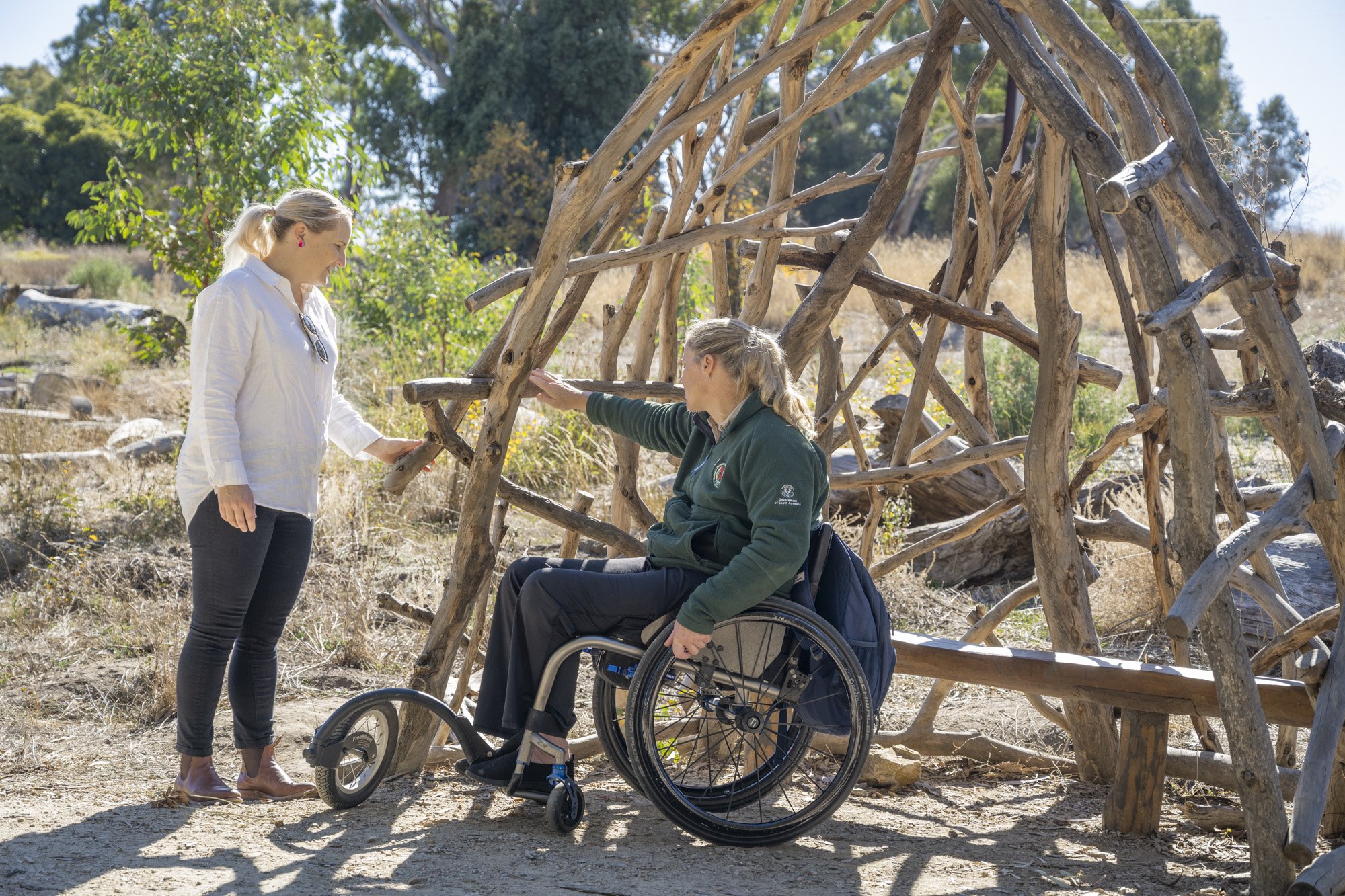
It isn't necessarily a picture of a recycling bin or someone using a wheelchair.
It's much broader than that.
It's showing people experiencing a place in a way that feels genuine.
It's showing landscapes that are being cared for.
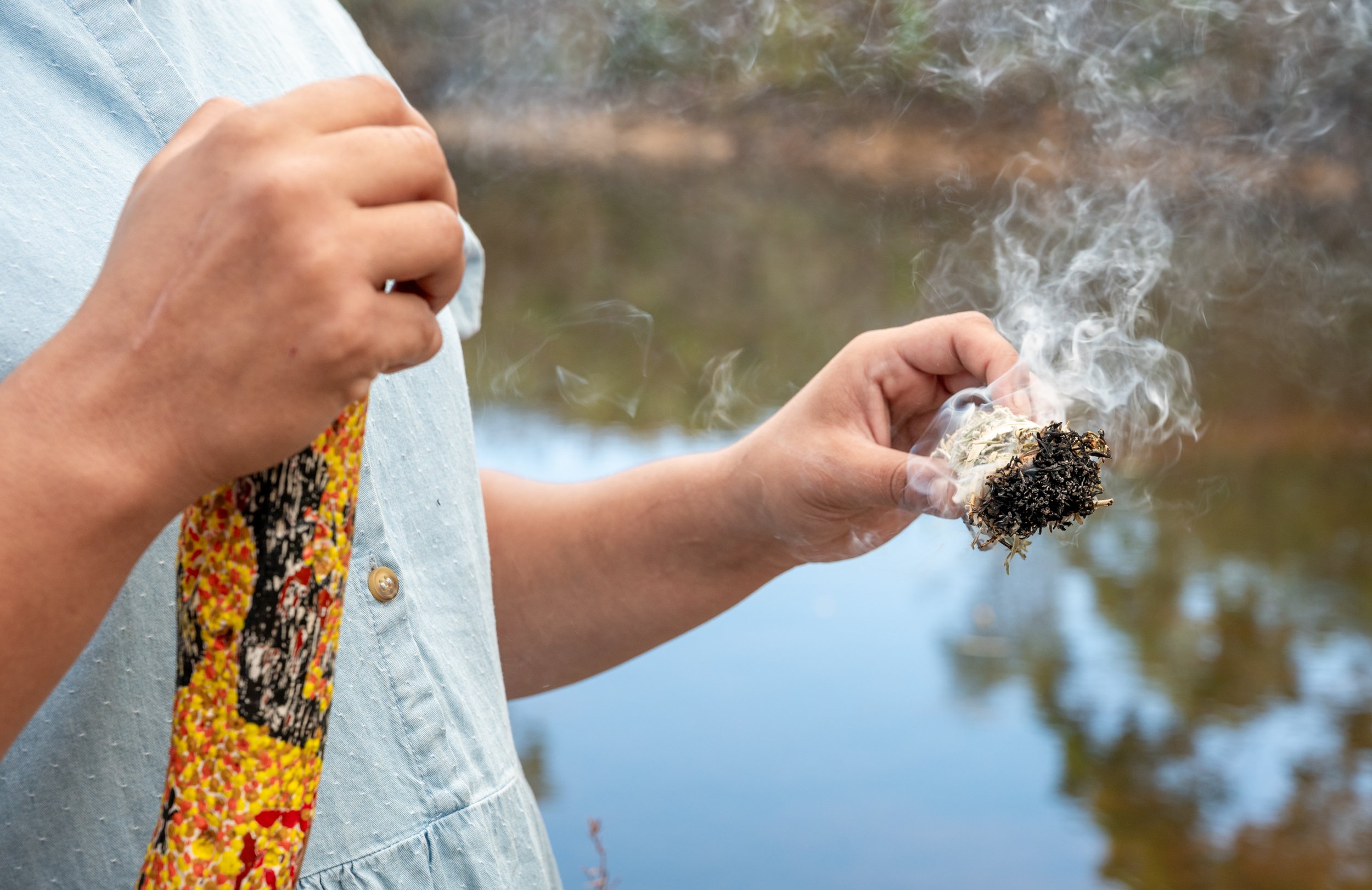
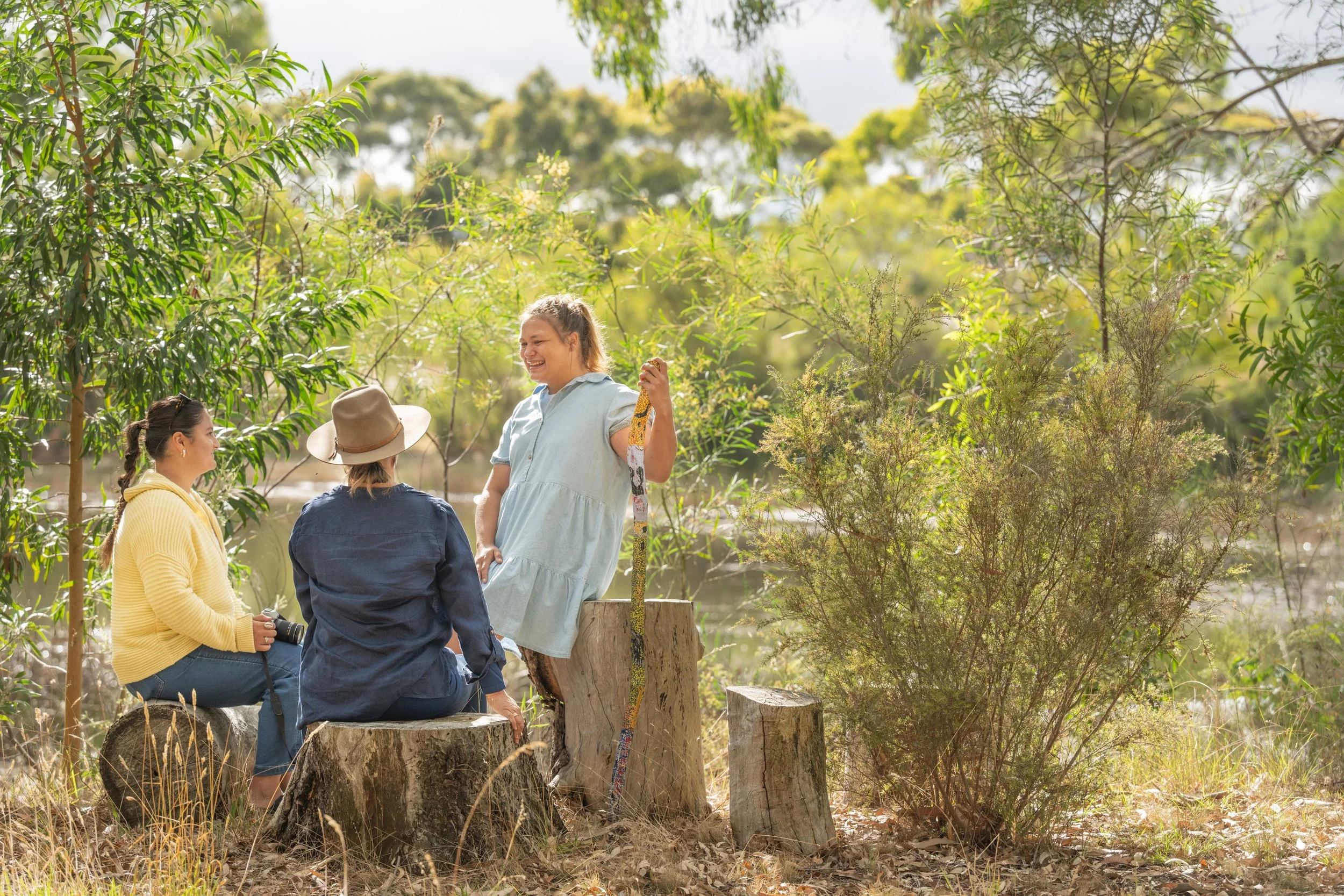
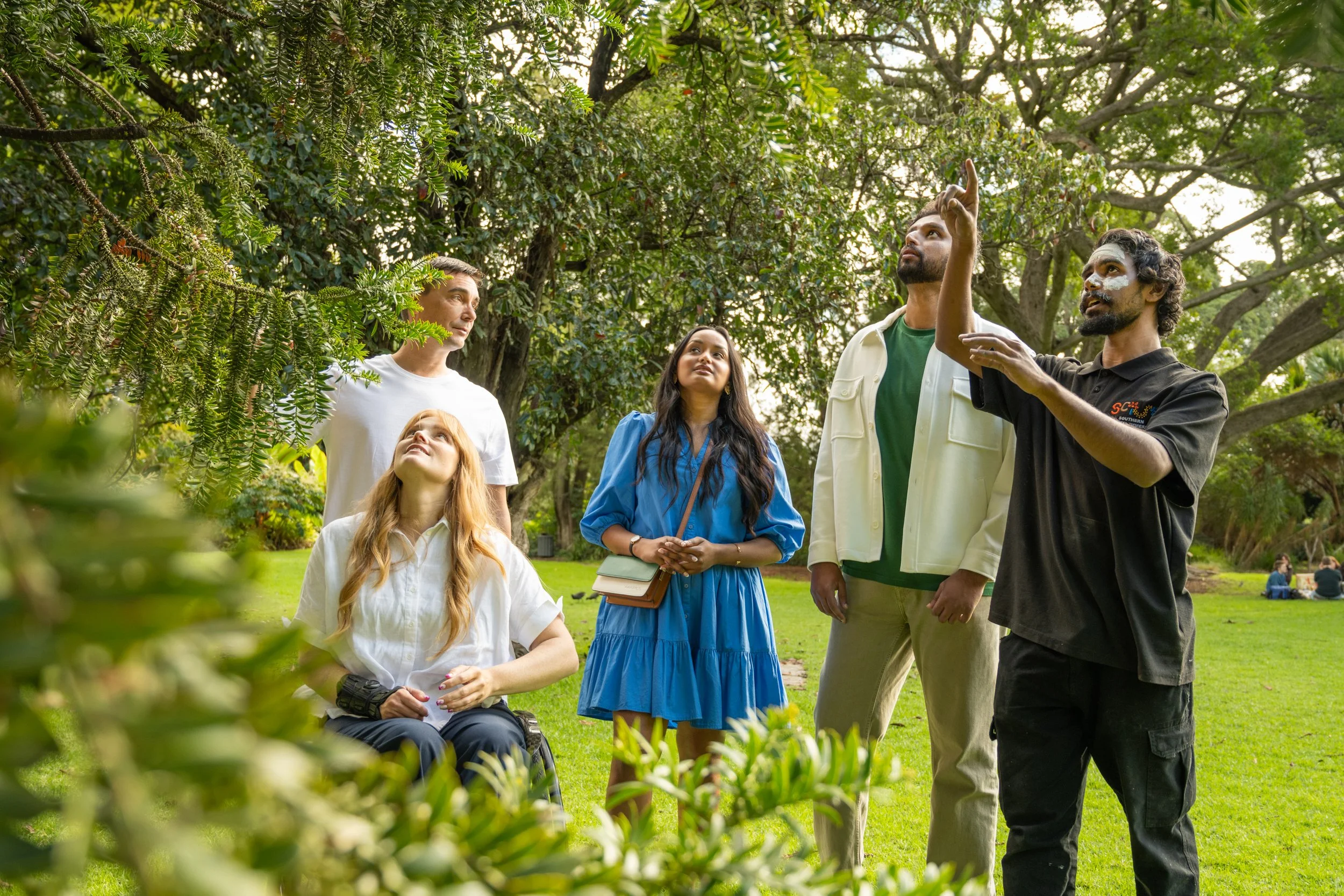
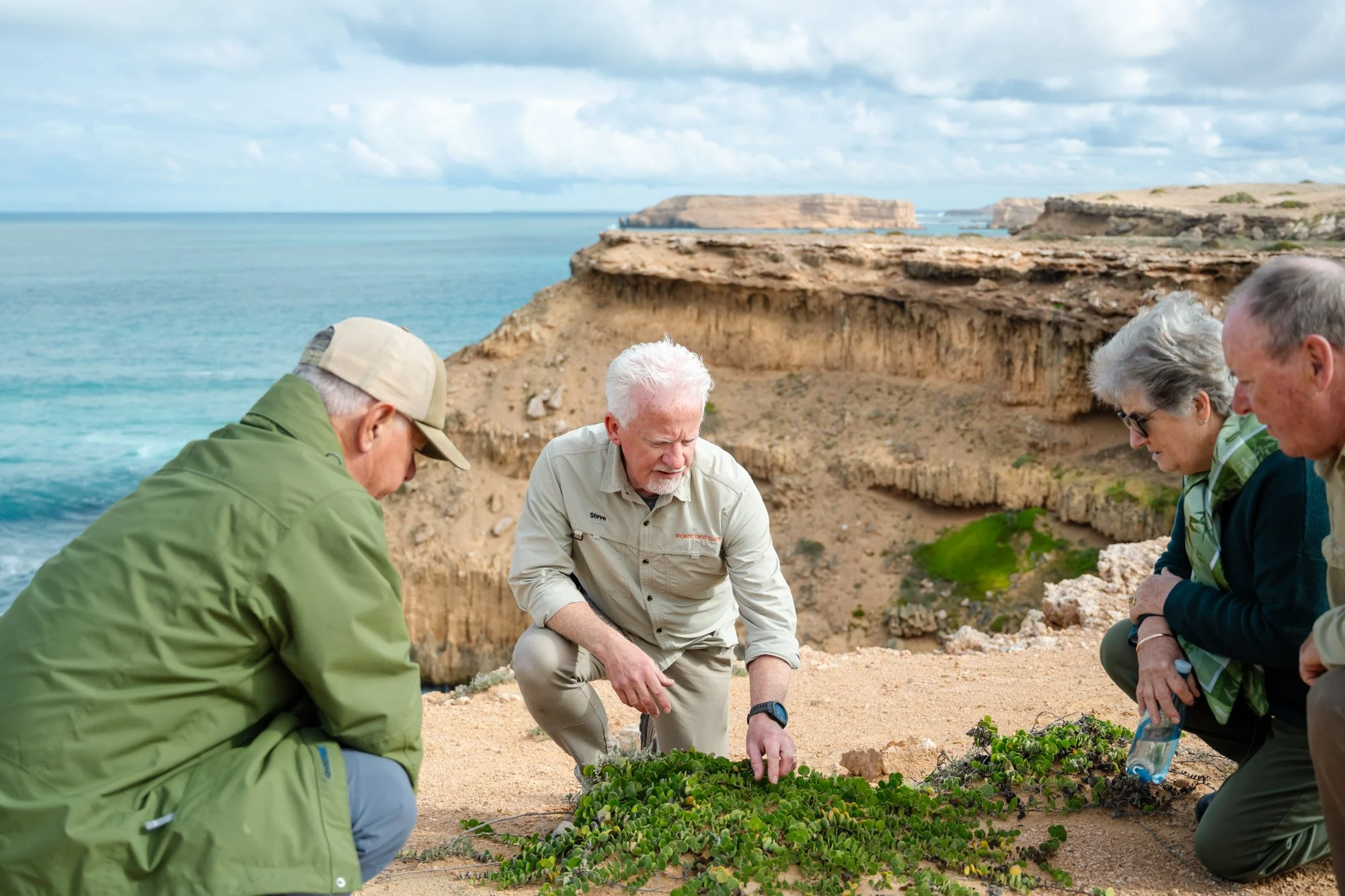
It's showing Aboriginal culture and stories in ways that are respectful and, importantly, led by Aboriginal people.
It's showing that travel isn't just about what we take from a place, but what we give back.
Sustainability doesn't always look like sustainability
Some of my favourite South Australian landscapes are the ones that make you stop and think about how special they actually are.
The coastline.
The bush.
The wetlands.
The wildlife.
The vineyards and farms.
The big open spaces.
But sustainability isn't just about photographing beautiful landscapes.
It's about showing the people who care for them, the businesses making thoughtful choices, the producers working with the land, and the experiences that let visitors connect with nature without simply consuming it.
SA Tourism is now talking about regenerative tourism too, which takes the idea a step further: not just trying to minimise harm, but looking at how tourism can leave communities, culture and environments in a better place.
That's a pretty good story to tell.
And a much more interesting one to photograph.
Culture is everywhere
One of the things I love about photographing South Australia is that culture doesn't need to be manufactured for visitors.
It's already here.
It's in our food.
Our towns.
Our festivals.
Our makers.
Our architecture.
Our landscapes.
And, most importantly, in the continuing cultures and knowledge of Aboriginal people across this state.
There's a growing emphasis on supporting Aboriginal tourism operators and ensuring Aboriginal people own and share their own stories of culture and Country.
For me, that means photography needs to move beyond the token cultural image.
It should create space for people to tell their own stories.
To show connection to Country.
To show contemporary Aboriginal life, not just history.
And to let visitors see a place through the eyes of the people who know it best.
And then there's accessibility
This is another area where I think photography plays a really important role.
If you look at a tourism website and every image shows people effortlessly climbing over rocks, hiking remote trails or sitting on a beach reached by a steep staircase, you might assume that particular experience isn't for you.
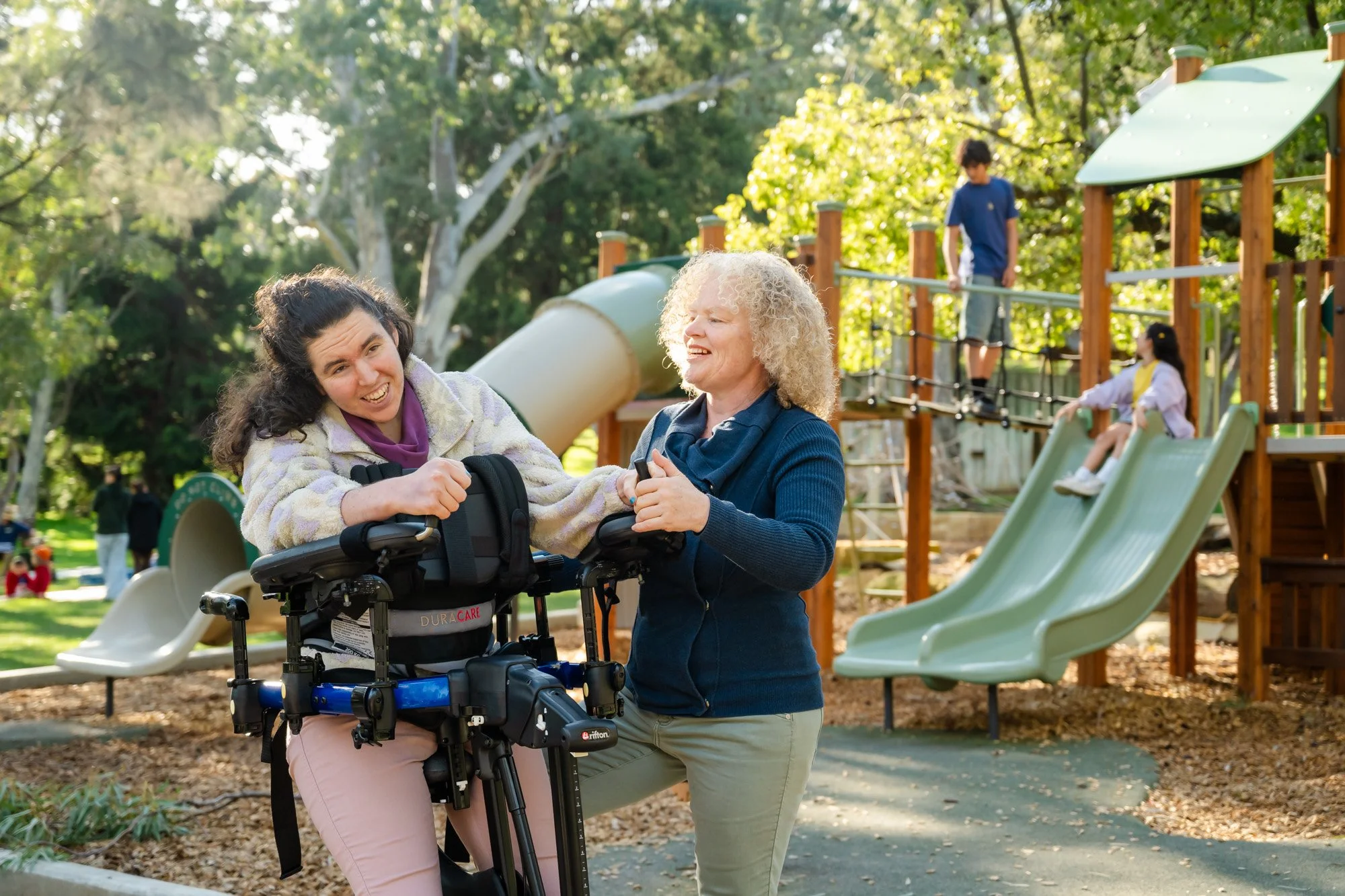
But accessibility doesn't have to look clinical or boring.
An accessible experience can still be beautiful.
It can still be adventurous.
It can still be luxurious, fun, social, romantic or completely wild.
The difference is that the photography needs to show people that they can actually be part of it.
South Australia is putting more emphasis on accessible tourism, with dedicated information around accessible accommodation, transport, attractions and experiences.
And I think that's where photographers can make a real difference.
Show the ramp.
Show the accessible room.
Show the person actually enjoying the experience.
Show the different ways people can experience the same place.
Don't just tell people it's accessible.
Show them.
This is where I think tourism photography gets really interesting
For me, good tourism photography isn't about making everything look perfect.
It's about making people want to be there.
And sometimes that means showing the imperfect bits too.
A person laughing halfway through an experience.
Wind blowing someone's hair everywhere.
A muddy pair of boots.
A weathered building.
A landscape that isn't pristine but tells an important story.
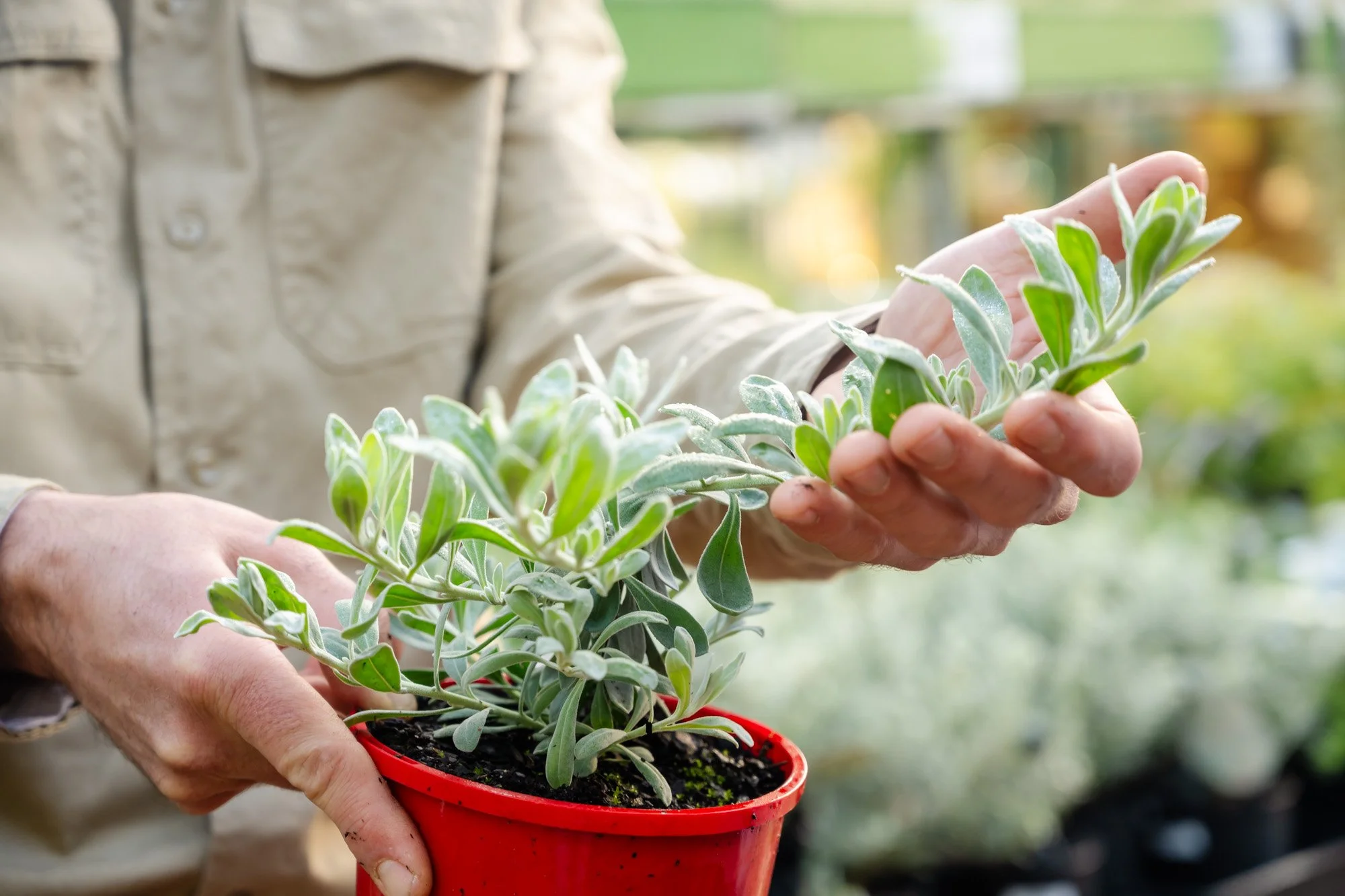
Someone making something by hand.
A local guide sharing something they know.
A visitor experiencing something for the first time.
Those are the photographs that make me feel something.
And they're often the photographs that make me want to go somewhere.
South Australia has plenty of stories to tell
I think we're incredibly lucky here.
We've got extraordinary landscapes, incredible food and wine, wildlife, beaches, regional communities, festivals and a huge amount of cultural depth.
But perhaps the next chapter of South Australian tourism isn't just about showing how beautiful we are.
It's about showing how we live here, how we care for this place, whose stories belong here, and how everyone can experience it.
And as a photographer, that's a pretty exciting brief.
Because there's so much more to photograph than the postcard.
Sometimes you just have to look a little closer.
Find out more about South Australia’s approach to sustainable, inclusive and culturally connected tourism through SA Tourism’s True South.